Are You a Food Lover? Then Listen to These Podcasts!

Are you a food lover? Do you watch all of the cooking shows? Try all of the new restaurants? Are you up for any type of cuisine when you head out to dinner with friends? Then, yes – food is definitely your passion! But have you checked out the world of food podcasts? No? Then you need to give these a listen! 

  • Gastropod: Food with a side of science and history. Every other week, co-hosts Cynthia Graber and Nicola Twilley serve up a brand new episode exploring the hidden history and surprising science behind a different food- or farming-related topic, from aquaculture to ancient feasts, from cutlery to chile peppers, and from microbes to Malbec. We interview experts, visit labs, fields, and archaeological digs, and generally have lots of fun while discovering new ways to think about and understand the world through food.
  • The Splendid Table: The Splendid Table has always connected people through the common language of food and eating. Now with award-winning food journalist Francis Lam at the helm, we’re bringing forward even more fresh voices and surprising conversations at the intersection of food, people and culture – covering everything from the global appeal of sesame to the impact of Instagram on everyday eating. It’s a food show where everyone is welcome.
  • Spilled Milk: Every week on Spilled Milk, writers/comedians Molly Wizenberg and Matthew Amster-Burton start with a food-related topic, from apples to winter squash, and run with it as far as they can go—and, regrettably, sometimes further.
  • Desert Island Dishes: Welcome to Desert Island Dishes, the weekly podcast where chef Margie Nomura talks to a special guest about the dishes that have shaped their lives.Here you will find conversations with a whole range of different people discussing their 7 Desert Island Dishes. We will find out about their favorite childhood dishes, the dishes they eat the most often, and the dishes that mean the most to them. And of course we will also discover what their last dish would be before being cast off to the desert island.
  • Radio Cherry Bombe: Radio Cherry Bombe features interviews with the most interesting people in the world of food. Each week, host Kerry Diamond, founder and editor of the indie magazine Cherry Bombe, talks to the chefs, bakers, creatives, and entrepreneurs making it happen. 
  • Out to Lunch with Jay Rayner: Crackling anecdotes and blistering chat, lubricated by killer cooking. Jay Rayner, one of the world’s top food critics, lunches big names in a restaurant of his choosing. Stars this season include: Stephen Fry, Bill Bailey, Rose Matafeo, Rob Brydon, Lolly Adefope and many more.
  • Doughboys: The podcast about chain restaurants. Comedians Mike Mitchell and Nick Wiger review fast food/sit-down chains and generally argue about food/everything.
  • Green Eggs and Dan: Taking a new look at “you are what you eat,” comedian Dan Ahdoot brings listeners in on conversations about food, life, and more, with some of his most entertaining friends. Not your typical, holier-than-thou food show, Green Eggs and Dan is the type of food podcast you’d make with your friends around the table, roasting more than just the food.
  • Christopher Kimball’s Milk Street: Milk Street Radio travels the world to discover how food and cooking are changing lives and cultures, from $13,500 melons in Japan and computer-generated cookie recipes to the home cooking of Ina Garten and Egyptian fast food in Berlin.
  • Always Hungry with Bobby Flay and Sophie Flay: When father and daughter come together to cook dinner, great conversations happen! Join Bobby and Sophie Flay as they cook meals, walk through recipes, chat at the dinner table, and share their perspectives on life, family and food. Bobby’s the country’s most successful chef and TV personality but hails from New York City’s old school, while Sophie’s a young reporter keyed into the latest trends in food, fashion, lifestyle and culture. Always Hungry gives listeners a place at the Flay table for those wonderful, spontaneous conversations that only great food and family bonds can inspire.

From famous chefs to comedians who love to talk about food, there is a podcast for just about every food lover imaginable! Which one are you going to listen to first?

***Podcast descriptions courtesy of Apple Podcasts

Tips for a Stress-Free Party

Everyone loves a good party, but hosting one can be stressful. If you don’t want to spend your time worrying about every little detail, follow these tips! Then you can spend more time enjoying your party and less time worrying about it!

  • Limit Your Guest List: When it comes to hosting a party, the size of the guest list can make a big difference. A small get-together with close friends and family can be intimate and relaxed, while a larger affair can be more chaotic and stressful. If you’re looking to host a party that is low-key and stress-free, it’s best to keep the guest list small. This way, you’ll be able to give your guests the attention they deserve and avoid being overwhelmed by too many people. Plus, small parties are often more enjoyable for everyone involved. 
  • Set a Budget: One of the best ways to reduce party-planning stress is to set a budget. This will help you to stay focused and avoid overspending. When setting your budget, be realistic about what you can afford. Consider all of the expenses associated with the party, including food, drink, invitations, and entertainment. Once you have a clear idea of how much you can afford to spend, stick to your budget as closely as possible. 
  • Start Planning Early: Don’t procrastinate; the sooner you start planning, the better. Make a list of everything you need to do and set aside some time each day to work on it. You want to make sure you have plenty of time to work out the details and any “bumps” you may experience with your event.
  • Create Lists: ​​Anyone who has ever hosted a party knows that it can be a lot of work. There’s the food to think about, the decorations, the invitations…the list goes on and on. However, one of the best ways to reduce stress is to be organized and prepared ahead of time. Creating lists can help you keep track of everything that needs to be done, and it can also help you delegate tasks to other people. For example, if you’re making a list of things to buy for the party, you can ask a friend or family member to pick up some of the items for you. Or, if you’re making a list of tasks that need to be completed before the party, you can ask guests to arrive early to help set up. By taking some time to plan ahead and create lists, you can make sure that your next party is enjoyable for everyone involved – including yourself!
  • Outsource What You Can: Hosting a party can be a daunting task. In addition to cleaning your home and preparing food, you also have to worry about entertaining your guests. However, there are ways to make the process less stressful. One option is to outsource some of the work to professionals. For example, you can hire a caterer to handle the food or a band to provide entertainment. This can free up your time so that you can focus on enjoying yourself at the party.
  • Clean Ahead of Time: If you’re hosting a party, one of the best ways to reduce stress is to clean ahead of time. This way, you won’t have to worry about last-minute messes or try to juggle preparing for your guests with cleaning. Plus, a clean house will help your guests feel more comfortable and welcomed. To get started, make a list of all the areas of your house that will need to be cleaned before the party. Then, set aside some time each day leading up to the event to tackle one or two items on your list. 

So, before your next party, take a few deep breaths and follow these tips to help keep the stress levels down. By following this advice, you can enjoy your time with friends and family at the party because you will have done all of the hard work ahead of time.

8 Benefits of Apartment Living

Looking for a new place to call home? Consider apartment living! Apartment living has many benefits, including convenience, affordability, and community. Read on to find out why apartment living might be the right choice for you.

  • Affordability: One of the great things about apartment living is that it is typically more affordable than other types of housing. For example, you may be able to find an apartment that is the same size as a house but costs less to rent. Additionally, apartments often include utilities in the monthly rent, which can further save you money. Another cost-saving benefit of apartments is that they usually require less furniture than houses, as there is typically less space. This means that you can save money on furniture and other household items. Overall, apartment living can be a great way to save money on your housing costs.
  • Convenient: For many people, apartment living is the most convenient option. Apartments often have on-site laundry facilities and maintenance staff, which can be a huge time-saver. And because apartments are typically smaller than houses, they require less time and effort to keep clean.
  • Community: One of the great things about living in an apartment is the community that comes along with it. Apartment living gives you the opportunity to meet new people and forge lasting friendships. Your neighbors will quickly become like family, and you’ll always have someone to rely on. 
  • Amenities: Apartment living offers a wide range of amenities that can make life more convenient and enjoyable. For example, many apartments include swimming pools, fitness centers, and outdoor entertaining areas. 
  • Safety: Living in an apartment can offer safety in a number of ways. For one, apartments are often located in close proximity to other people, which can be helpful in case of an emergency. Lots of apartment buildings have security systems in place, such as cameras and locks, which can help to deter criminals. Additionally, Apartment dwellers often know each other and look out for one another, which can provide a sense of security.
  • Low Maintenance: Apartment living is often seen as the low-maintenance option for housing. When compared to owning a house, an apartment requires less upkeep. For example, renters do not have to worry about painting the exterior or maintaining the yard. There are no weeds to take care of or snow to shovel in the winter. The living is quite easy for those who choose an apartment.
  • Short-Term Option: For many people, apartment living is a short-term option. It’s a great way to save money and live in a centrally located area. If you’re looking for a place to live while you’re in school or working in a city, an apartment can be a great option. 
  • More Time: For many people, apartment living is the best way to go. Apartment living allows you more time to enjoy your life. You have everything you need in a smaller space, and you don’t have to worry about maintaining a yard or common areas. You don’t have to spend hours mowing the lawn or shoveling snow. Instead, you can use that time to relax or pursue your hobbies. And if something breaks, you can simply call the landlord and have it fixed without having to lift a finger. So if you’re looking for a more carefree lifestyle, apartment living may be right for you.

When it comes to choosing between an apartment and a house, it’s essential to take a look at the life you want to live. If you’re looking for an affordable home that is low-maintenance and offers many amenities – then an apartment is the way to go!

Back to School Tips: How to Prepare for the New School Year

Are you ready for back to school? It’s never too early to start preparing! And it’s always good to have a few tips and tricks that will help make the transition back to school a little bit easier. So whether you’re a student or a parent, read on for helpful advice on how to get ready for back to school!

  • Start getting organized: One of the first things you can do to get ready for back to school is to start getting organized. This may mean setting up a study schedule or creating a system for tracking kids’ assignments and due dates. Once you have a plan in place, stick to it! This will help reduce stress and keep you on track throughout the year.
  • Set goals: In addition to getting organized, it’s also essential to help your children set some goals for the new school year. What do they hope to achieve academically? Are there any extracurricular activities that they’d like to get involved in? By thinking about what they want to accomplish, they can develop a plan for how to make it happen.
  • Check the school calendar: Take a look at the school calendar. When do classes start? When are vacation days and holidays? Knowing the answer to these questions will help you plan your schedule and make the most of your time.
  • Do some shopping: Get your school supplies purchased. Get the kids a planner to keep track of homework and other important dates. 
  • And do some back-to-school shopping for other things. New clothes, a new backpack, and other things can help get you excited for the new school year!
  • Check on childcare: Make sure you have childcare lined up. This may mean finding a babysitter or enrolling them in an after-school childcare program.
  • Register for new activities: If your children are looking to get involved in extracurricular activities, now is the time to sign up! Most schools have a variety of clubs and sports teams that they can join.
  • Plans some meals: If your family is going to be busy with homework or after-school activities, it’s helpful to have some quick and easy meals that you can make ahead of time. This will help you save time and money, and it will also ensure that you’re eating healthy.
  • Create a place to do homework: This may be a designated spot in your room or a quiet area in the library. Having a dedicated space will help kids stay focused and get work done more efficiently.
  • Set bedtimes and wake up times: Getting enough sleep is crucial for students of all ages. Establishing a regular sleep schedule will help them feel rested and ready to face the day.
  • Talk to your child about school: If you have a child who is starting school for the first time, it’s important to talk to them about what to expect. This can help ease any anxiety they may be feeling.
  • Visit school if possible: If you’re new to the area or your child is starting a new school, take some time to visit the campus. This will help familiarize yourself with the layout and get you and your children comfortable with their new surroundings.
  • Enjoy the last days of summer: Finally, don’t forget to enjoy the last few weeks of summer! Spend time with friends and family, go on vacation, or simply relax at home. Once the school year starts, everyone will be busy with homework and extracurricular activities, so savor this time before things get too hectic.

With a little preparation now, everyone can be ready to start school! And hopefully, these tips will make it the best school year yet!

How to Say No

Saying no can be difficult, but it’s often necessary. Whether you’re declining an invitation or refusing a request, it’s important to say no the right way. But what is the right way? Use these tips and tricks to make saying no easier.

  • Be direct: One tip for saying no is to be direct. This means that you should avoid beating around the bush or making excuses. For example, if someone asks you to do something that you don’t want to do, simply say, “No, I don’t want to do that.” This may seem like a simple tip, but it can be challenging to put into practice. It’s often tempting to make up excuses or try to avoid the issue altogether. However, being direct is usually the best way to handle the situation.
  • Offer an alternative if you want: Another helpful tip is to offer an alternative solution – if you want. This is especially useful if you’re saying no to a request. For example, if someone asks you to do something that you can’t do, you can say, “No, I can’t do that, but I could _____.” This shows that you’re still willing to help out, even though you can’t do what was originally asked. Offering an alternative solution shows that you’re considerate and willing to work with the other person.
    • Remember, you don’t have to offer an alternative. You can simply say no – and there is no need to offer a reason or explanation.
  • Practice saying “No”: One way to become better at saying no is to practice. This may seem silly, but it can be helpful to rehearse what you’re going to say in your head or out loud. This will help you feel more confident when the time comes to say no. You can also role-play with a friend or family member. 
  • Don’t let yourself feel guilty: Don’t feel guilty. A lot of people have trouble saying no because they feel guilty. They don’t want to disappoint the other person or let them down. However, it’s important to remember that you’re not obligated to say yes to everything. You have a right to decline requests and invitations, even if you feel bad about it. Just be sure to say no politely.
  • Don’t put off saying “No”: When you’re saying no to something, it’s essential to do it in a timely manner. This shows that you respect the other person and their time. For example, if someone asks you to go out for coffee and you know you don’t want to go, it’s best to decline right away. This way, the other person can make other plans and won’t be counting on you.
  • Always be polite: Finally, it’s important to be polite when you say no. This doesn’t mean that you have to be overly nice or agree to things that you don’t want to do. However, a simple “thank you for asking” or “I appreciate your offer” can go a long way. These phrases show that you’re grateful for the request and that you understand why the other person is asking. Saying no doesn’t have to be rude or ungrateful; in fact, it can be quite the opposite.

Saying no is definitely a skill that comes easier to some people than others, but it is a skill that can be practiced and learned. Whether you’re saying no to your boss or a family member, it’s important to say it in the right manner. And always remember that being polite and courteous can go a long way in the process.

Summer Salads Galore!

Salads are a great way to enjoy the summer weather and fresh produce. They are also a healthy option when you’re looking for something light to eat. If you’re searching for a few new recipes to try this summer, these will not disappoint! These salads are perfect for picnics, potlucks, or just a quick and easy meal at home. So, what are you waiting for? Get started on these amazing salads today!

  • Watermelon Feta Salad: The first salad on the list is a watermelon and feta salad. This refreshing salad is perfect for a summer BBQ or picnic. Watermelon, feta cheese, and mint are a classic combination that always tastes great together. If you’re looking for something a little different, try adding some diced cucumber to this salad. It’s a great way to add some extra crunch and freshness.
  • Caprese Salad: Next up is a summertime favorite, Caprese salad. This dish is so simple, but it’s always a crowd-pleaser. All you need is some fresh mozzarella, tomatoes, basil, and olive oil. Season it with salt and pepper to taste, and you’re good to go! This salad is perfect for an easy lunch or dinner. And if you want to make this salad extra colorful – seek out some heirloom tomatoes in various colors!
  • Grilled Chicken Caesar Salad: If you’re looking for a heartier salad option, try this grilled chicken Caesar salad. Grilled chicken adds a delicious smoky flavor to the classic Caesar salad ingredients of romaine lettuce, croutons, and Parmesan cheese. This one really kicks up the flavor by marinating your chicken, grilling your romaine, and adding a sprinkle of bacon. Add in some homemade garlic dressing, and you’ve got a winner!
  • Roasted Beet Salad with Goat Cheese: For a fun and unique salad, try this roasted beet and goat cheese salad. Beets are roasted in the oven until they’re tender and then combined with crumbled goat cheese, pistachios, oranges, and several other ingredients to create a beautiful salad.
  • Pineapple and Avocado Salad: If you’re in the mood for something tropical, this pineapple and avocado salad is for you. Fresh pineapple, creamy avocado, and red onion are tossed together with a light dressing. This salad is the perfect way to cool down some spicy grilled chicken or pork.
  • Salmon Cobb Salad: Looking for a summertime twist on the classic Cobb salad? Try this grilled salmon Cobb salad! Hard-boiled eggs, bacon, avocado, blue cheese crumbles, and tomato are all traditional Cobb salad ingredients. But when you add the salmon and add an avocado green goddess dressing, it takes this salad to a whole new level.
  • Grapefruit and Avocado Salad: For a light and refreshing option, try this grapefruit and avocado salad. This salad has a beautiful mix of colors and flavors. The sweetness of the grapefruit is balanced by the creaminess of the avocado and the tanginess of the white wine vinegar. It’s a perfect summertime dish!
  • Thai Chicken Salad: If you’re looking for a salad that’s packed with flavor, try this Thai chicken salad. This salad is made with chicken, cabbage, carrots, peanuts, cilantro, and a homemade Thai peanut dressing. It’s an easy way to enjoy Thai food at home!
  • Strawberry Spinach Salad: Last but not least, here’s a strawberry spinach salad. This salad is perfect for those summer days when you’re craving something sweet. Fresh strawberries, baby spinach, and toasted pecans are tossed together with a poppyseed vinaigrette. It’s a simple salad that’s full of flavor!

Summertime is the best time to enjoy fresh produce, so make sure to take advantage of it while you can. These salads are the perfect way to do just that! Happy summer eating!

The Best Books for Those Who Love Travel

Do you love to travel? Are you always planning your next big adventure or dreaming of where you can head next? Do you even love reading books that take you to faraway places and introduce you to new people and cultures? Then take a look at these books as you think about where to travel next!

    • Finding Gobi is the miraculous tale of Dion Leonard, a seasoned ultramarathon runner who crosses paths with a stray dog while competing in a 155-mile race through the Gobi Desert in China. The lovable pup, who would later earn the name Gobi, went step for step with Dion over the Tian Shan Mountains and across massive sand dunes, keeping pace with him for 77 miles.
    • As Dion witnessed the incredible determination and heart of this small animal, he found his own heart undergoing a change as well. Whereas in the past these races were all about winning and being the best, his goal now was to make sure he and Gobi’s friendship continued well after the finish line.
    • However, before he could take her home, Gobi went missing in the sprawling Chinese city where she was being kept. Dion, with the help of strangers and a viral outpouring of assistance on the internet, set out to track her down, and reunite with the dog that changed his life.
    • Read this inspiring story and discover how miracles truly are possible—and find your own heart changing as well.
    • Growing up a ninety-eight-pound weakling tormented by bullies in the schoolyards of Kansas, Matthew Polly dreamed of one day journeying to the Shaolin Temple in China to become the toughest fighter in the world, like Caine in his favorite 1970s TV series Kung Fu.
    • American Shaolin is the story of the two years Matthew spent in China living, studying, and performing with the Shaolin monks. The Chinese term for tough training is chi ku (‘eating bitter’), and Matthew quickly learned to appreciate the phrase.
    • This is both the gripping story of Matthew’s journey and an intimate portrait of the real lives of the Shaolin monks, who struggle to overcome rampant corruption and the restrictions of an authoritarian government. Laced with humor and illuminated by cultural insight, American Shaolin is an unforgettable coming-of-age story of one man’s journey into the ancient art of kungfu – and a poignant portrait of a rapidly changing China.
    • His previous excursion along the Appalachian Trail resulted in the sublime national bestseller A Walk in the Woods. In A Sunburned Country is his report on what he found in an entirely different place: Australia, the country that doubles as a continent, and a place with the friendliest inhabitants, the hottest, driest weather, and the most peculiar and lethal wildlife to be found on the planet. The result is a deliciously funny, fact-filled, and adventurous performance by a writer who combines humor, wonder, and unflagging curiosity.
    • Despite the fact that Australia harbors more things that can kill you in extremely nasty ways than anywhere else, including sharks, crocodiles, snakes, even riptides and deserts, Bill Bryson adores the place, and he takes his readers on a rollicking ride far beyond that beaten tourist path. Wherever he goes he finds Australians who are cheerful, extroverted, and unfailingly obliging, and these beaming products of land with clean, safe cities, cold beer, and constant sunshine fill the pages of this wonderful book.
    • Australia is an immense and fortunate land, and it has found in Bill Bryson its perfect guide.

Dark Safari

    • A rattletrap bus, dugout canoe, cattle truck, armed convoy, ferry, and train. In the course of his epic and enlightening journey, wittily observant and endearingly irascible Paul Theroux endures danger, delay, and dismaying circumstances. Gauging the state of affairs, he talks to Africans, aid workers, missionaries, and tourists. What results is an insightful meditation on the history, politics, and beauty of Africa and its people.
    • The world’s wonders, continent by continent: A trek through Morocco’s Atlas Mountains. Sri Lanka’s Hill Country. A sunrise balloon safari over the Masai Mara. Canyon de Chelly. The sacred festivals of Bhutan. The Amalfi Coast. Sailing the Mekong River.
    •  In all, 1,000 places guaranteed to give travelers the shivers: sacred ruins, coral reefs, hilltop villages, deserted beaches, wine trails, hidden islands, opera houses, wildlife preserves, castles, museums, and more. Each entry tells why it’s essential to visit and includes hotels, restaurants, and festivals to check out. Then come the completely updated nuts and bolts: websites, phone numbers, prices, best times to visit.
    • 1,000 Places to See Before You Die is the world’s bestselling travel book and a #1 New York Times bestseller. 1,000 Places reinvented the idea of travel book as both wish list and practical guide. As Newsweek wrote, it “tells you what’s beautiful, what’s fun, and what’s just unforgettable—everywhere on earth.” Second edition includes 600 full-color photographs, over 200 entirely new entries. More suggestions for places to stay, restaurants to visit, festivals to check out. And along with starred restaurants and historic hotels, you’ll also find moderately priced gems that don’t compromise on atmosphere or charm.

If you’ve got the travel bug and love planning out your next adventure, these books are sure to spark your interest. They’ll have you turning the pages and dreaming of packing your suitcase!

***All book summaries courtesy of Amazon

Break These Bad Cleaning Habits

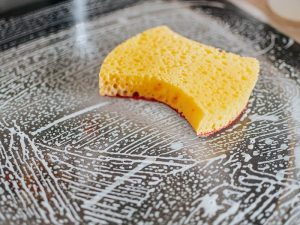
Do you hate cleaning your house? If so, you’re not alone. Many people find cleaning to be a tedious and frustrating task. But it doesn’t have to be that way! If you break some bad cleaning habits, cleaning your home will become much easier – and who doesn’t want that?

  • Bad Habit #1: Not Cleaning as You Go: One of the worst things you can do is not clean as you go. If you let dirt and messes accumulate, cleaning will become much more difficult. Instead, take a few minutes each day to clean up any messes that have been made. This will make cleaning your home much easier in the long run.
  • Bad Habit #2: Not Having a Routine: Another common bad habit is not having a routine. When you don’t have a routine, it’s easy to fall into the trap of never cleaning your house. A good solution is to create a basic cleaning schedule and stick to it. This will help ensure that your home is always clean and organized.
  • Bad Habit #3: Not Cleaning Enough: It’s essential to clean your house regularly if you want to keep it looking its best. Try to set aside some time each week to clean your entire house. 
  • Bad Habit #4: Not using Enough/the Right Supplies: Another bad habit is not using enough or the right supplies. When you don’t use enough/the right supplies, you can’t expect to get your house clean. Make sure to stock up on all of the necessary cleaning supplies, and make sure you’re using the right product for the right task. 
  • Bad Habit #5: Cleaning in a Hurry: Who hasn’t tried to clean their home in a hurry? But when you try to clean your house too quickly, it’s easy to miss spots and make mistakes. Instead, take your time when cleaning and be thorough.
  • Bad Habit #6: Putting Off Certain Projects: There are certain projects that don’t need to happen on a weekly basis – such as cleaning your windows or dusting your blinds – but you can’t put these things off. Set reminders on your calendar for these tasks, and don’t put them off when you see them coming up.
  • Bad Habit #7: Not Vacuuming Enough: If you don’t vacuum often, dirt and dust will accumulate and cause allergies and other health problems. Try to vacuum your entire house at least once a week. Additionally, pay special attention to vacuuming your baseboards regularly as dirt and dust can collect there, too.
  • Bad Habit #8: Waiting until the Last Minute: Waiting until the last minute is never a good idea, especially when it comes to cleaning your house. If you wait until the last minute, you’ll likely end up rushing through the process. If you’ve got company coming or you’re hosting an event, start cleaning early so that tasks are accomplished at peak efficiency.
  • Bad Habit #9: Not Asking for Help: Finally, don’t forget to ask for help. When you try to do everything yourself, it’s easy to become overwhelmed and stressed out. Instead, ask your family for help when cleaning your house. Understand which tasks are appropriate for your children and ask your spouse to help, too. This means the cleaning will get done faster – and you won’t have to do it all yourself.

Breaking these bad cleaning habits can be difficult, but it’s definitely worth it in the end. By following these tips, you’ll be able to clean your house more easily and efficiently. So don’t wait any longer! Start breaking those bad habits today and see how much of a difference it makes. 

How to Rebound After Failure

No one is immune to failure. Even the most successful people in the world have experienced setbacks and failures at some point in their lives. The key is not to let these failures define you but to learn from them and use that knowledge to propel yourself forward. 

Of course, rebounding after failure is easier said than done, but if you’re ready to get back at it – then here are some tips to help you through it!

  • Don’t Ignore Your Emotions: When you experience a failure, it’s natural to feel a range of emotions, including sadness, anger, frustration, and disappointment. It’s important to acknowledge these emotions and give yourself time to process them. Journaling can be a great way to do this. Writing down your thoughts and feelings can help you understand them better and may even lead to some self-discovery.
  • Reflect on What You Can Learn From the Failure: After a setback, it’s also important to take some time to reflect on what you can learn from the experience. What went wrong? What could you have done differently? What are the lessons you can glean from this failure? By understanding what caused the failure, you can work to avoid making those same mistakes in the future.
  • Talk To Someone You Trust: It can be helpful to talk to someone about your failed attempt. This person could be a friend, family member, therapist, or coach. Sharing your story with someone who understands and supports you can make you feel better and help you move on.
  • Know That Even the Most Successful People Experience Failures: It’s important to remember that even the most successful people in the world have experienced failures. Beyonce was rejected by several record labels before being signed by Columbia. J.K. Rowling was turned down by 12 publishing houses before her book was accepted. Walt Disney was fired from his job at a newspaper because he “lacked imagination and had no good ideas.” So, don’t let your failure discourage you. Remember that everyone makes mistakes, and everyone experiences setbacks at some point in their lives.
  • Take Some Time for Yourself: One of the best ways to rebound after a setback is to take some time for yourself. This may mean unplugging from work, social media, and other distractions and spending some time focusing on your own well-being. During this time, you can do things like meditate, read, or take walks in nature. Taking a break can help you clear your head and come up with a new game plan.
  • Get Back In The Game: Once you’ve taken some time for self-reflection and have talked to someone you trust, it’s time to get back in the game. This doesn’t mean that you have to jump back into the same situation that caused your failure. It may be a good idea to try something new or take on a new challenge. Just make sure that you’re taking appropriate steps to increase your chances of success.
  • Set New Realistic Goals: One of the ways to increase your chances for success is to set new realistic goals. These goals should be based on your current abilities and what you’ve learned from the experience. They should also be achievable within a reasonable time frame. By setting these types of goals, you’ll be more likely to achieve them and feel good about yourself in the process.
  • Stay Motivated: It’s not always easy to stay motivated when you’ve experienced a setback. However, it’s important to remember why you started down this path in the first place. Visualize yourself achieving your goal and write out your reasons for wanting to achieve it. Keeping these things in mind can help you push through difficult times and continue working towards your goal.

Mindset is everything when it comes to rebounding after failure. And when you keep these tips in mind, you’ll be back at it and experiencing the success you desire sooner rather than later!

Podcasts for Book Lovers

Are you the type of person who always has their nose in a book? Are you constantly asking your friends for recommendations on what novel you should read next? Do you enjoy perusing book reviews for the next great read? Then you are definitely a book lover! In fact, you might even consider yourself to be a bookworm – and that’s a good thing!

And, while you might just head to the library and aimlessly check the stacks for a new read, you could check out some podcasts and save yourself some time! Here are some podcasts that you can listen to!

  • The Penguin Podcast: The Penguin Podcast is a fortnightly interview series where we speak to authors about what drives them: from where, how and why they write, to their inspirations, aspirations, and even the struggles they’ve faced along the way. Listen for lively conversations and plenty of book recommendations.
  • VINTAGE Books: Read boldly. Think differently. The Vintage Books Podcast is a fortnightly books podcast, released every other Sunday. What are you reading? That’s how great conversations start at Vintage. We publish some of the world’s most thought-provoking, unforgettable, beautifully designed books – from contemporary trail-blazers to our red-spine Vintage Classics. We know the thrill of coming across an undiscovered work of genius, of reading a classic that you’ve always meant to, of finding a book that speaks urgently to us and our times. We’re not just publishers, we’re passionate book lovers. 
  • The Maris Review: Hosted by Maris Kreizman, cultural critic and author of the bestselling Slaughterhouse 90210, talks to authors you should know about their own books and the books they love, the shows and films they’ve watched, the music they’ve listened to, and the links they’ve clicked.
  • Moms Don’t Have Time to Read Books: Zibby Owens, author, podcaster, publisher, and mother of four, conducts warm, inquisitive interviews with authors on this award-winning, widely heralded literary podcast. Zibby, dubbed “NYC’s Most Important Book-fluencer” by Vulture, is a regular books columnist for Good Morning America and Katie Couric Media. Launched in 2018, Moms Don’t Have Time to Read Books has been downloaded millions of times and has spawned two anthologies, an online magazine, a virtual book club, and a publishing house. 
  • What Should I Read Next?: What Should I Read Next? is the show for every reader who has ever finished a book and faced the problem of not knowing what to read next. Each week, Anne Bogel, of the blog Modern Mrs. Darcy, interviews a reader about the books they love, the books they hate, and the books they’re reading now. Then, she makes recommendations about what to read next. The real purpose of the show is to help YOU find your next read.
  • NPR’s Book of the Day: In need of a good read? Or just want to keep up with the books everyone’s talking about? NPR’s Book of the Day gives you today’s very best writing in a snackable, skimmable, pocket-sized podcast. Whether you’re looking to engage with the big questions of our times – or temporarily escape from them – we’ve got an author who will speak to you, all genres, mood and writing styles included. Catch today’s great books in 15 minutes or less.
  • Debutiful: Discover debut authors with Debutiful. In each episode, host Adam Vitcavage will go in-depth with a debut author about their first book, how they write, and what inspires them.

These podcasts are great for learning about new authors, getting reviews on the latest books, or just finding your next read! Check them out and then get ready to add to that never-ending reading list you have! 

***All podcast descriptions courtesy of Apple Podcasts